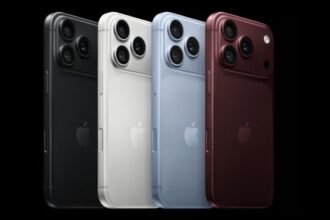
Apple has officially entered the foldable smartphone market by unveiling the iPhone Duo, marking one of the biggest changes to the iPhone lineup in years. The company unveiled the new device during its September 9, 2026 event, alongside the iPhone 18 Pro and iPhone 18 Pro Max.
The iPhone Duo is particularly important because Apple has stayed away from foldable phones while companies such as Samsung and Huawei have already released several generations of foldable devices. With the Duo, Apple is now bringing its own approach to the category.
A New Foldable Design
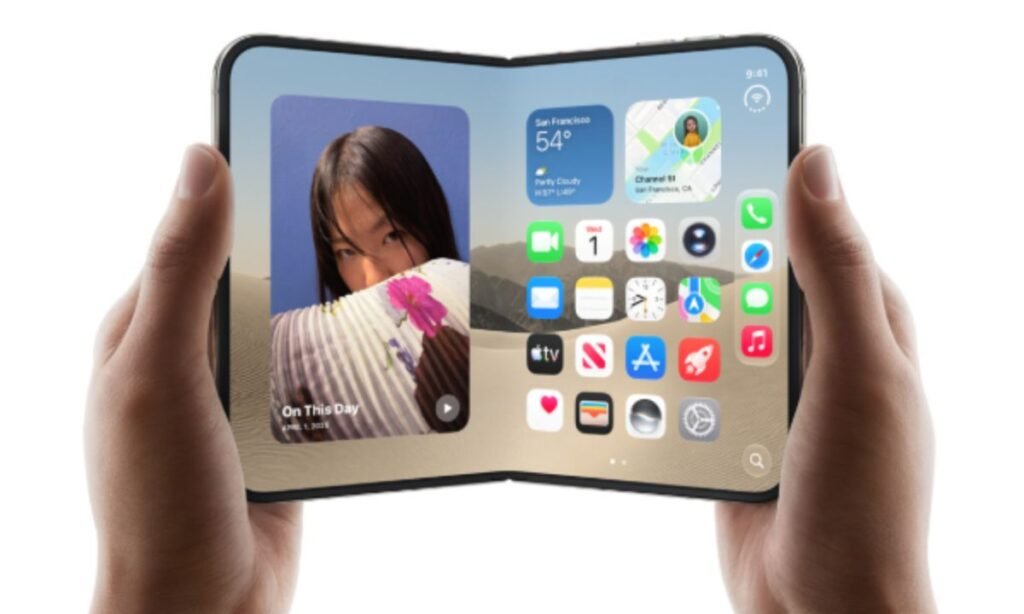
The iPhone Duo uses a book-style folding design. When closed, the phone has a 5.4-inch outer display. Opening it reveals a much larger 7.6-inch internal display, giving users a tablet-like screen while keeping the device relatively compact when folded.
Both displays support ProMotion, Apple’s high-refresh-rate technology, along with an always-on display and high brightness. Apple has also designed the software around the larger screen, allowing users to work with multiple apps more comfortably.
The company has focused heavily on the hinge and overall durability. The phone uses a titanium frame with ceramic fiber materials and Ceramic Shield protection. It also carries an IP68 rating for resistance against water and dust.
Performance Powered by A20 Pro
Inside the iPhone Duo is Apple’s new A20 Pro chip, the same processor family used in the new iPhone 18 Pro models. The chip is designed to handle demanding applications, multitasking, and Apple’s growing artificial intelligence features.
The larger display also gives Apple more room to take advantage of iOS 27. Users can open applications side by side and use the device more like a small tablet when the phone is unfolded.
Apple is also positioning the Duo as an AI-focused device. Siri and Apple Intelligence receive new capabilities, with Apple putting particular emphasis on privacy and processing sensitive information securely.
Camera System
The camera setup on the iPhone Duo is different from Apple’s Pro models.
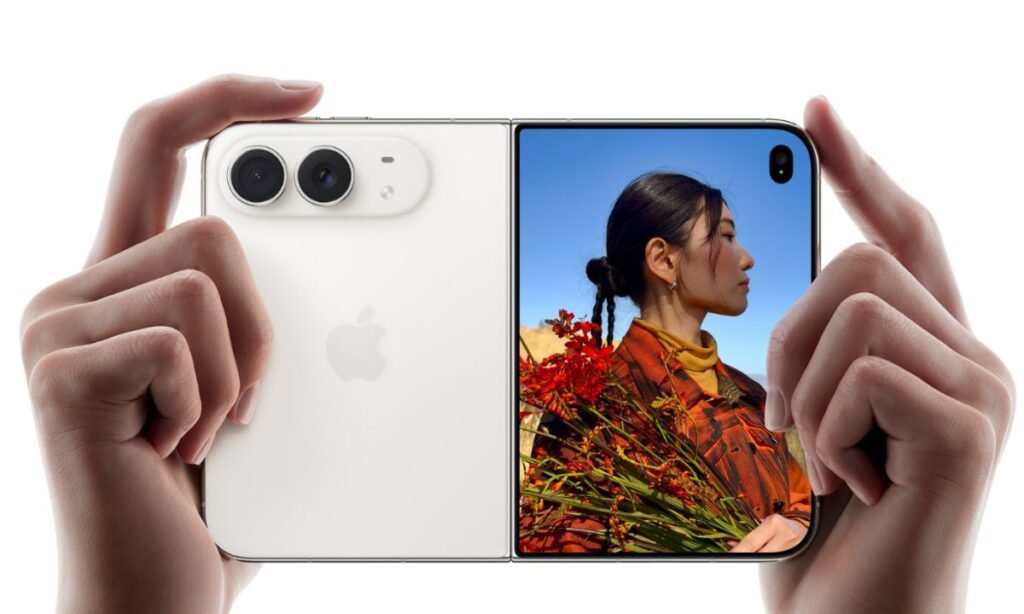
The foldable phone features two 48MP rear cameras, including a wide-angle and ultrawide system. Apple has also developed photography features specifically for the foldable design.
The front camera system is built around the unusual layout of the device. Apple has placed cameras in ways that allow users to take selfies and make video calls while taking advantage of the two-screen design.
One interesting feature is the ability to use the outer display while taking photographs. This allows people being photographed to see themselves on the screen, making group photos easier to frame.
Touch ID Returns
Apple has made another notable change with the Duo: Touch ID replaces Face ID.
The fingerprint sensor is integrated into the side button, allowing users to unlock the phone without the traditional Face ID system found on recent iPhones. This is one of the clearest differences between the Duo and Apple’s standard flagship models.
The phone also supports the Apple Pencil, giving the large internal display an additional use for notes, drawing, and productivity.
Storage and Battery
Apple is offering the iPhone Duo with storage options ranging from 256GB to 2TB. That gives customers plenty of space for photos, videos, apps, and other files.
Battery life is designed to support a full day of use, although the foldable design creates some compromises compared with the larger iPhone 18 Pro Max. Apple says the Duo can provide around 24 hours of general use, while fast charging can bring the battery to a significant level quickly.
iPhone Duo Price and Availability
The iPhone Duo starts at $1,999 for the 256GB model, making it considerably more expensive than Apple’s conventional flagship iPhones.
The highest-end 2TB version reaches $3,199.
Apple will open preorders for the Duo on October 16, 2026, with the device scheduled to reach customers and stores on October 23.
What the iPhone Duo Means for Apple
The iPhone Duo is more than another addition to Apple’s smartphone lineup. It represents the company’s first serious move into foldable phones and gives Apple an opportunity to compete directly with established foldable manufacturers.
The high price will likely keep the Duo as a premium product, at least initially. However, its combination of a large foldable display, A20 Pro performance, Apple Pencil support, iOS 27, and Apple’s ecosystem could make it attractive to users who want a phone that can also work as a compact tablet.
For Apple, the real test will be whether the iPhone Duo can make foldable technology feel practical rather than simply different. If Apple succeeds, the iPhone Duo could become an important new direction for the iPhone family.