
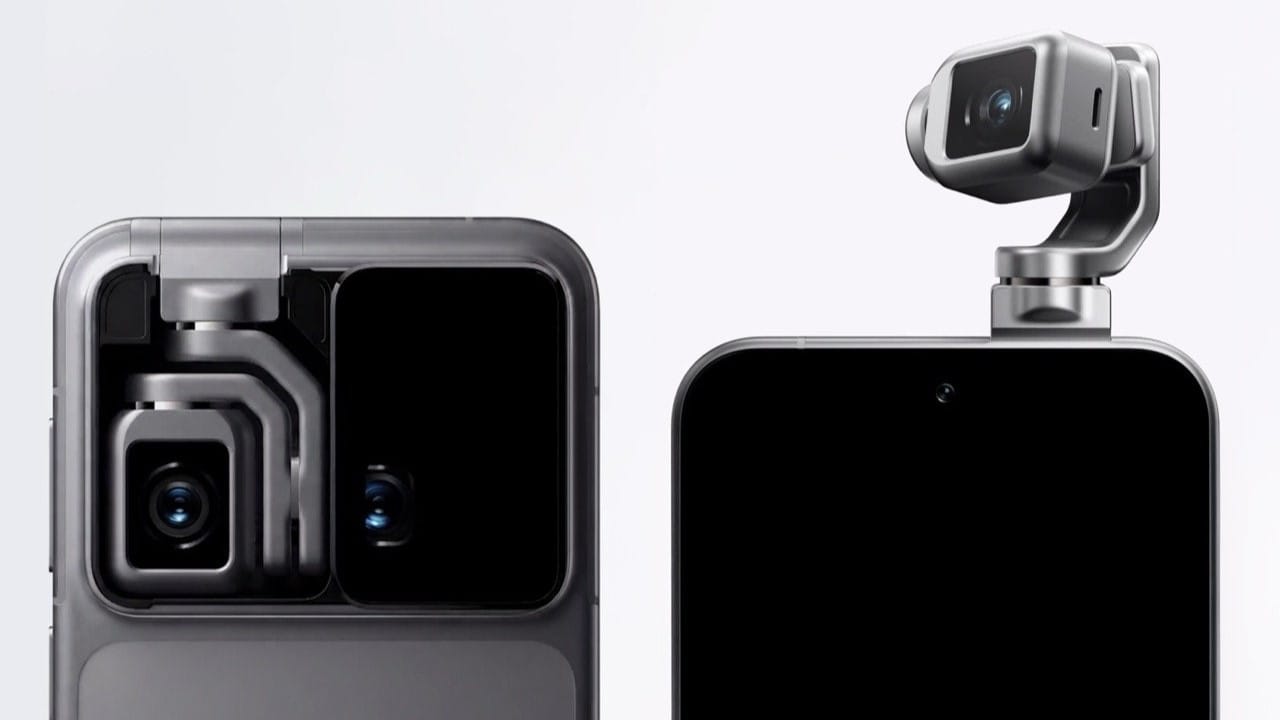
Honor is planning a big launch with Artificial Intelligence. This Chinese company is about to introduce its all-new innovative smartphone, which they call “Honor Robot Phone”. Honor has teased this new robot phone that uses a robotic arm as a pop-up camera.
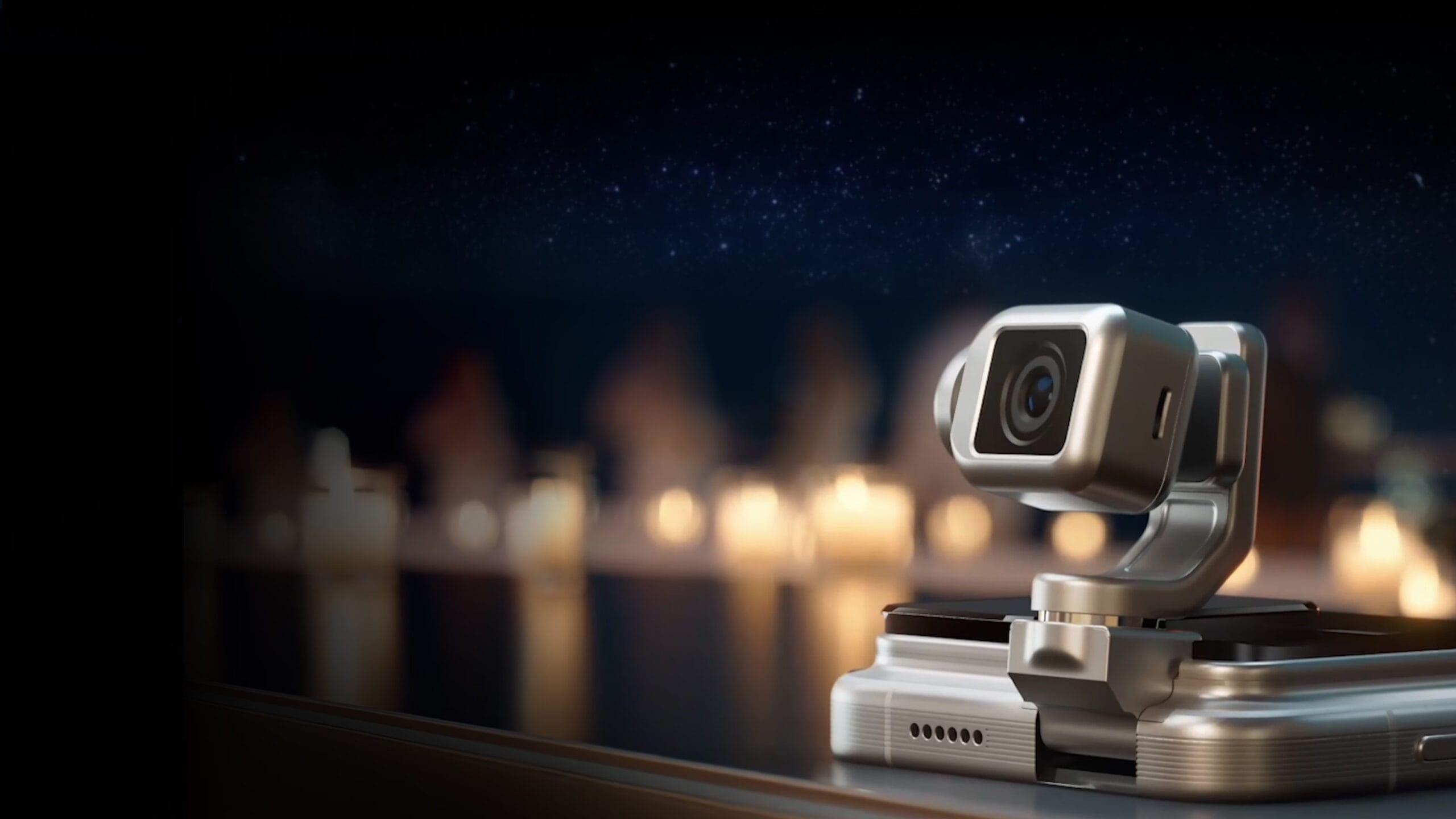
Honor describes it as having a “super brain of AI” and the “mobility of a robot”. Unlike traditional phones, the Robot Phone camera can unfold, move, and adjust its direction autonomously to capture photos and videos from different angles. With the Robot Phone, Honor envisions that it is more than just a tool; it defines the future. The company ensures that it becomes an emotional companion that senses, adapts, and evolves autonomously like a robot, enriching its users’ lives with love, joy, and wisdom.
It is not clear when this device will be launched, but Honor only said that it plans to “share more details at the MWC “Mobile World Congress” in Barcelona, next year.”
Here is the official announcement from the company and a video of the Honor Robot Phone.
Features of Honor Robot Phone
Here are the features that have been teased or speculated, based on Honor’s announcements.
Gimbal Camera Arm:
A camera module folds out on a mechanical arm and can move on multiple axes. Allows the phone’s camera to change its viewpoint dynamically, tracking you, shooting from odd angles, and taking better selfies.
AI & Autonomy:
The phone is meant to “sense, adapt, and evolve”, possibly choosing camera angles, adjusting settings, and interpreting scenes, which gives you a more “intelligent companion” experience.
Design & Branding:
The teaser models show a special “Alpha” logo tied to Honor’s “Alpha Plan,” not the usual Honor logo. Indicates this is part of a new strategy or sub-brand direction.
Strengths & Challenges
There are some promising aspects and real challenges to consider.
Potential strengths:
- Creative photography & video: The gimbal arm could allow shots with dynamic angles, smoother motion, and tracking subjects that current phone cameras can’t.
- Novel user experience: A phone that behaves a little like a “robot companion” could attract early adopters, tech enthusiasts, and content creators.
- Differentiation: In a crowded smartphone market, this concept stands out from foldables, rollables, and incremental upgrades.
Challenges & concerns:
- Durability & mechanical reliability: Moving parts tend to wear, break, or malfunction, especially in daily use (drops, dust, shocks).
- Battery & power consumption: The motors, cameras, sensors, and AI logic could consume substantial power.
- Size, weight, and thickness: Incorporating robotic components could make the phone bulkier or heavier than rivals.
- Software & user interface: The AI needs to make useful, intuitive decisions. If the phone “decides badly,” users will be frustrated.
- Cost & manufacturability: Complex mechanical systems raise cost and risk.
- Market acceptance: Consumers may prefer simpler, robust designs over experimental ones.
In short, the idea is bold and exciting, but it must prove practical for everyday life. Let’s see how the company has made this device at the MWC 2026.

2 Comments
Your writing is a true testament to your expertise and dedication to your craft. I’m continually impressed by the depth of your knowledge and the clarity of your explanations. Keep up the phenomenal work!
Your blog is a treasure trove of valuable insights and thought-provoking commentary. Your dedication to your craft is evident in every word you write. Keep up the fantastic work!